
Expert Tips for Balancing Athletics and Academics in College
Understanding the Dual Commitment
Balancing athletics and academics in college is a challenge faced by many student-athletes. The dual commitment requires time management, discipline, and a clear understanding of both academic and athletic responsibilities. Students often find themselves juggling practice sessions, competitions, lectures, and exams. Recognizing the importance of each commitment is the first step towards achieving balance.
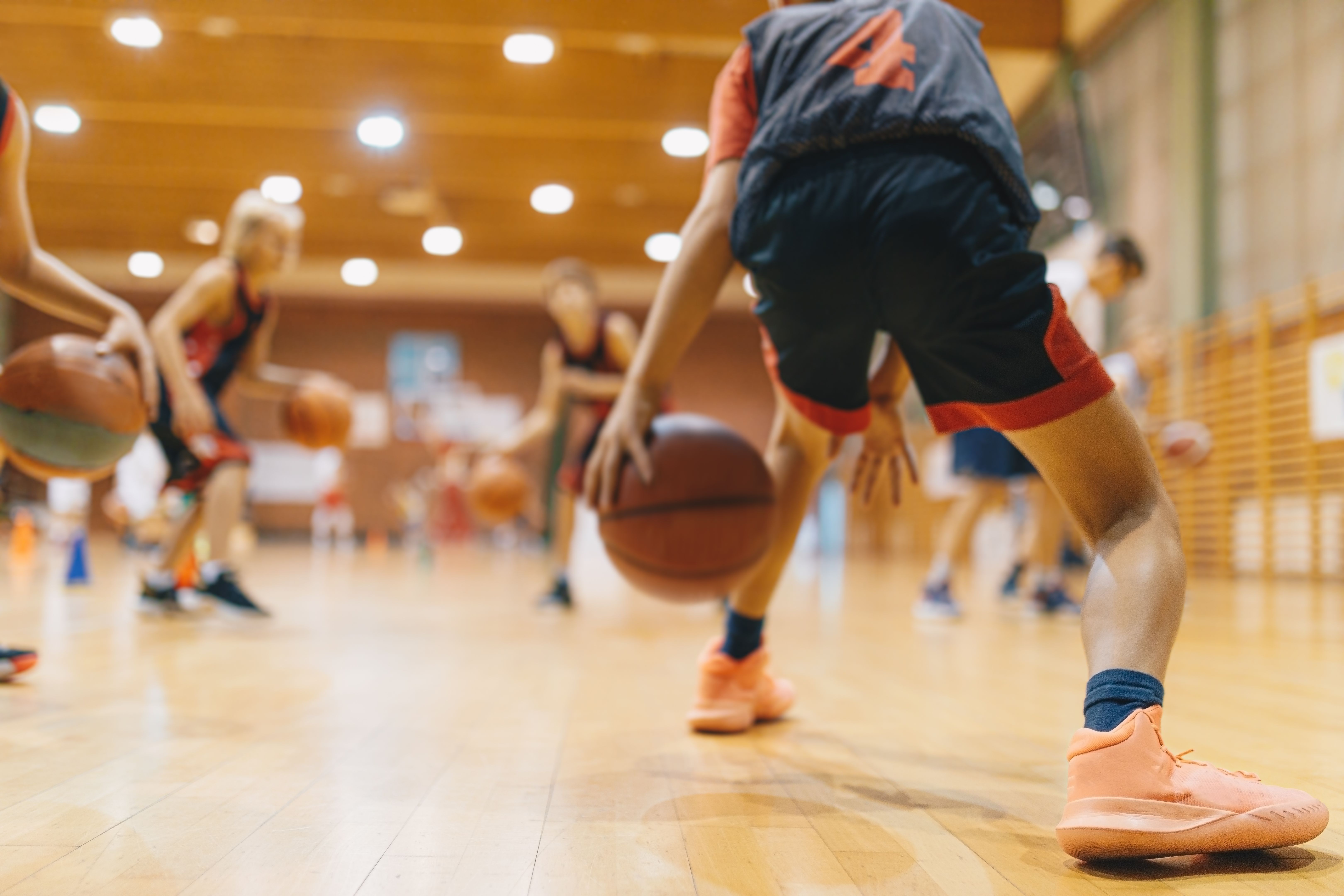
It’s essential to understand that both academics and athletics contribute significantly to personal development. While sports enhance physical fitness and teamwork skills, academics provide the knowledge and critical thinking abilities necessary for future career success. Striking a balance between the two can lead to a rewarding college experience.
Effective Time Management Strategies
Time management is crucial for student-athletes. Developing a structured schedule can help ensure that both academic and athletic responsibilities are met. Here are some strategies:
- Use a planner or digital calendar to keep track of important dates, such as exams, assignment deadlines, and games.
- Prioritize tasks by listing them in order of importance and approaching them one at a time.
- Set aside specific times for studying and training, ensuring neither is neglected.

By sticking to a consistent schedule, student-athletes can reduce stress and enhance their productivity. Remember, the key is to be flexible and make adjustments as needed, especially during peak competition seasons.
Utilizing Campus Resources
Colleges offer various resources that can assist student-athletes in balancing their commitments. Academic advisors, tutors, and athletic coaches are valuable allies. They can provide guidance on course selection, academic support, and time management techniques tailored to individual needs.
Additionally, many institutions have dedicated athletic academic centers that offer study spaces, tutoring, and academic workshops. Utilizing these resources can greatly benefit student-athletes, helping them maintain their academic standing while excelling in sports.

Maintaining Physical and Mental Health
Physical and mental well-being is critical for success in both academics and athletics. Student-athletes should ensure they get adequate rest, maintain a balanced diet, and engage in regular physical activity. These habits will not only enhance athletic performance but also improve concentration and cognitive function.
Mental health should not be overlooked. The pressures of balancing academics and athletics can be overwhelming at times. Seeking support from counselors or mental health professionals can provide student-athletes with coping strategies to manage stress and anxiety.
Building a Support Network
Having a strong support network can make a significant difference. Family, friends, teammates, and coaches can provide encouragement and understanding during challenging times. Open communication with professors is also crucial, as they can offer flexibility with deadlines and assignments when necessary.
By fostering strong relationships and seeking support when needed, student-athletes can navigate the demands of college life more effectively, ensuring a fulfilling and successful college experience.